
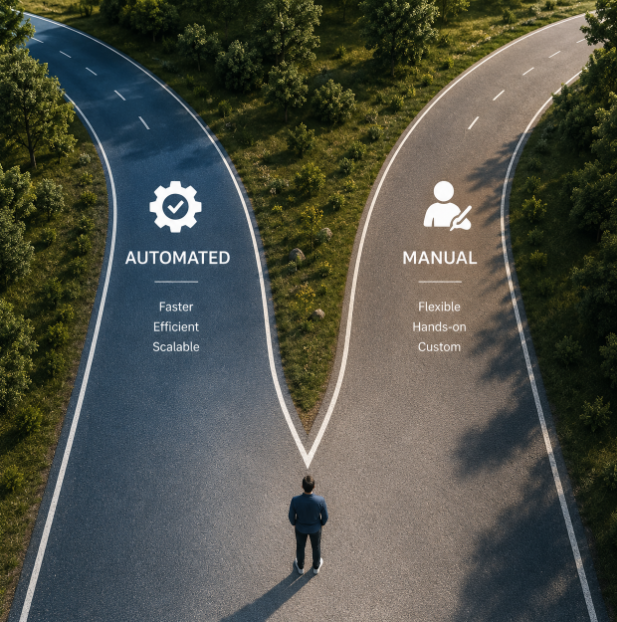
Google has been pushing Performance Max as the future of advertising on its platform for the past two years. And if you have spoken to a Google rep recently, they have probably recommended it regardless of your account size, budget, or situation. That is Google’s job. Our job is to tell you honestly whether it is right for your account.
For context on how Google’s newest automation layer, AI Max for Search Campaigns, fits alongside PMax, see our article on AI Max for Search Campaigns.
What Performance Max Actually Does
PMax is a single campaign type that serves ads across all of Google’s inventory simultaneously, including Search, Shopping, Display, YouTube, Gmail, and Maps. The algorithm decides where your budget goes, who sees your ads, and which creative combination to serve at any given moment.
Where Performance Max Works Well
Conversion volume matters enormously. Google recommends sufficient conversion data to allow the algorithm to learn, though it does not publish a fixed minimum. In our experience across Australian client accounts through our Google Ads management service, we typically see the automation perform reliably once an account reaches at least 30 to 50 conversions per month.
Creative asset quality is just as important. Ten to fifteen unique headlines covering different angles, multiple description variants, and ideally video assets give the system genuinely useful material to work with.
For eCommerce brands, it helps to see real examples. Our iDropped It case study demonstrates how structured campaign management can drive results in a competitive local services category.
Where Manual or Standard Search Campaigns Outperform
For Australian SMBs operating with budgets below $5,000 per month, a limited service area, or fewer than 30 monthly conversions, manual or standard Search campaigns almost always give better results.
Manual campaigns tell you exactly which search terms triggered your ads. PMax’s reporting is significantly more opaque. For the rising cost context that makes this transparency even more important, see our article on how rising CPCs are affecting Australian advertisers.
The Approach That Works for Most Australian SMBs
The approach we recommend for most Australian SMBs is a hybrid structure: a tightly managed manual Search campaign for your highest-intent keywords alongside a PMax campaign with a separate, capped budget.
Build conversion volume in the manual campaign first. Once you have sufficient data, expand your PMax investment where the results justify it.
Our PPC management Australia team reviews accounts with no obligation, and we will tell you what we actually see in the data.
Frequently Asked Questions
What is Google Performance Max?
Performance Max (PMax) is a Google Ads campaign type that serves ads across all of Google’s advertising channels simultaneously. Advertisers provide creative assets, a conversion goal, and a budget, and Google’s AI determines how to allocate spend and who to target.
How much conversion data does Performance Max need to work?
Google recommends sufficient conversion volume to allow the Performance Max algorithm to optimise effectively but does not publish a specific minimum. In our experience, PMax tends to perform reliably from around 30 to 50 conversions per month. If you are below this threshold, a structured Google Ads review can help you identify the fastest path to building conversion volume.
Should I use Performance Max or manual Search campaigns?
For Australian SMBs with monthly budgets below $5,000, fewer than 30 monthly conversions, or a limited service area, manual or standard Search campaigns generally outperform PMax. Our Google Ads team can recommend the right structure for your account.
Why is my Performance Max campaign underperforming?
Common causes include insufficient conversion data, poor creative asset quality, inadequate negative keyword coverage, and misconfigured conversion tracking. Rising CPCs across Australian markets, covered in our article on cost-per-click trends, are also making the margin for error smaller than it used to be.